
Electric Diaphragm Pump vs Pneumatic Diaphragm Pump: When to Use Each in Industrial Processes
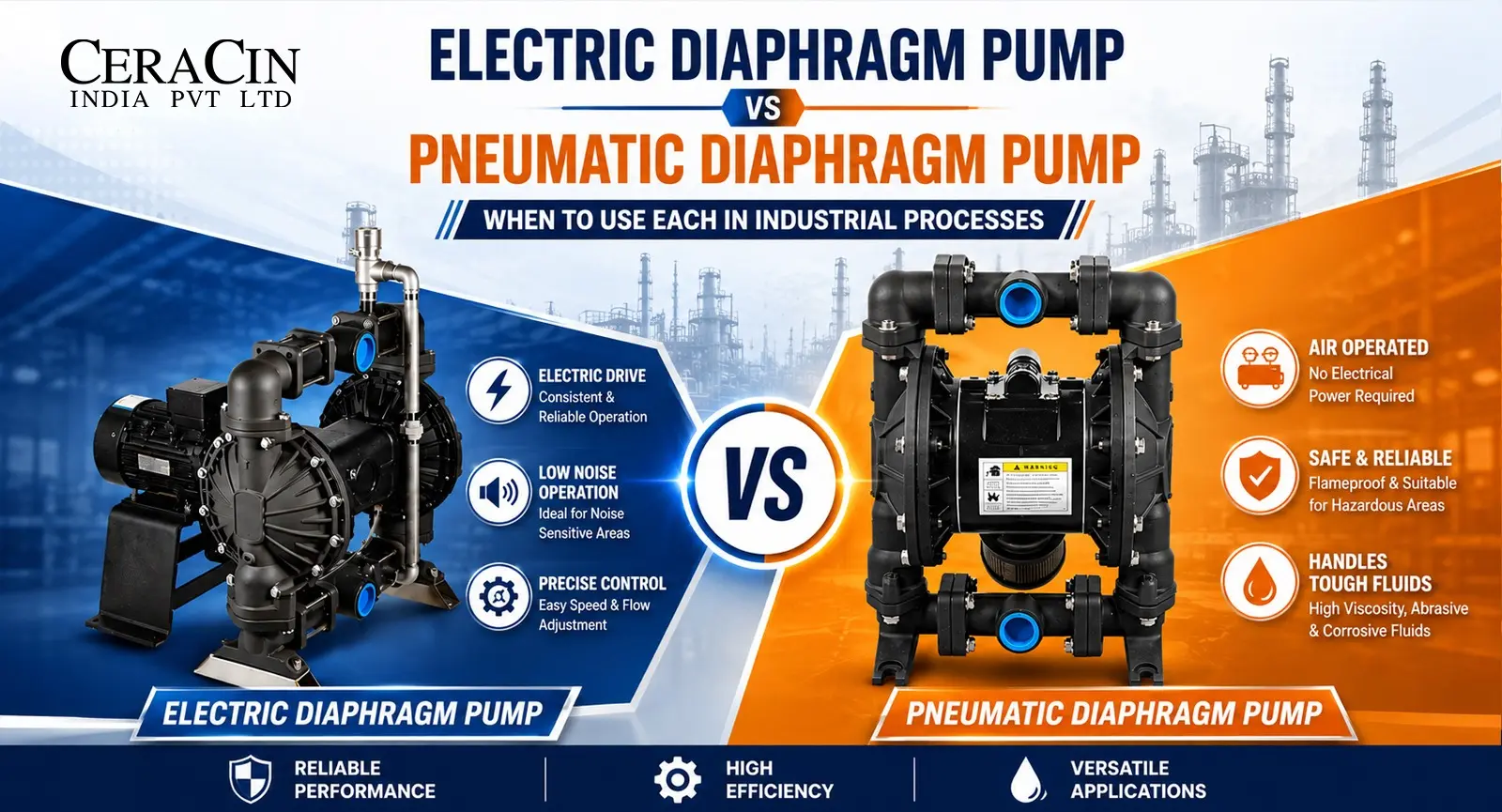
Choosing between an electric diaphragm pump and its air-driven counterpart is not a small decision, as it shapes how a process runs for years to come. Both perform the same basic job, moving fluids through a flexing diaphragm, but the manner in which they draw power changes almost everything else, from running cost to how well the pump suits your existing site setup.
What We’ll Walk You Through
Introduction
Both pumps perform the same task. A flexible diaphragm pushes fluid through the system in either case. Where they part ways is the power source, and as you would agree, this single difference changes the pump’s efficiency, its running cost, and its suitability for a given environment considerably. Kindly note that this choice, if made incorrectly, will surface months later as a higher electricity bill or as a pump that keeps tripping in conditions it was never meant to handle.
How an Electric Diaphragm Pump Works
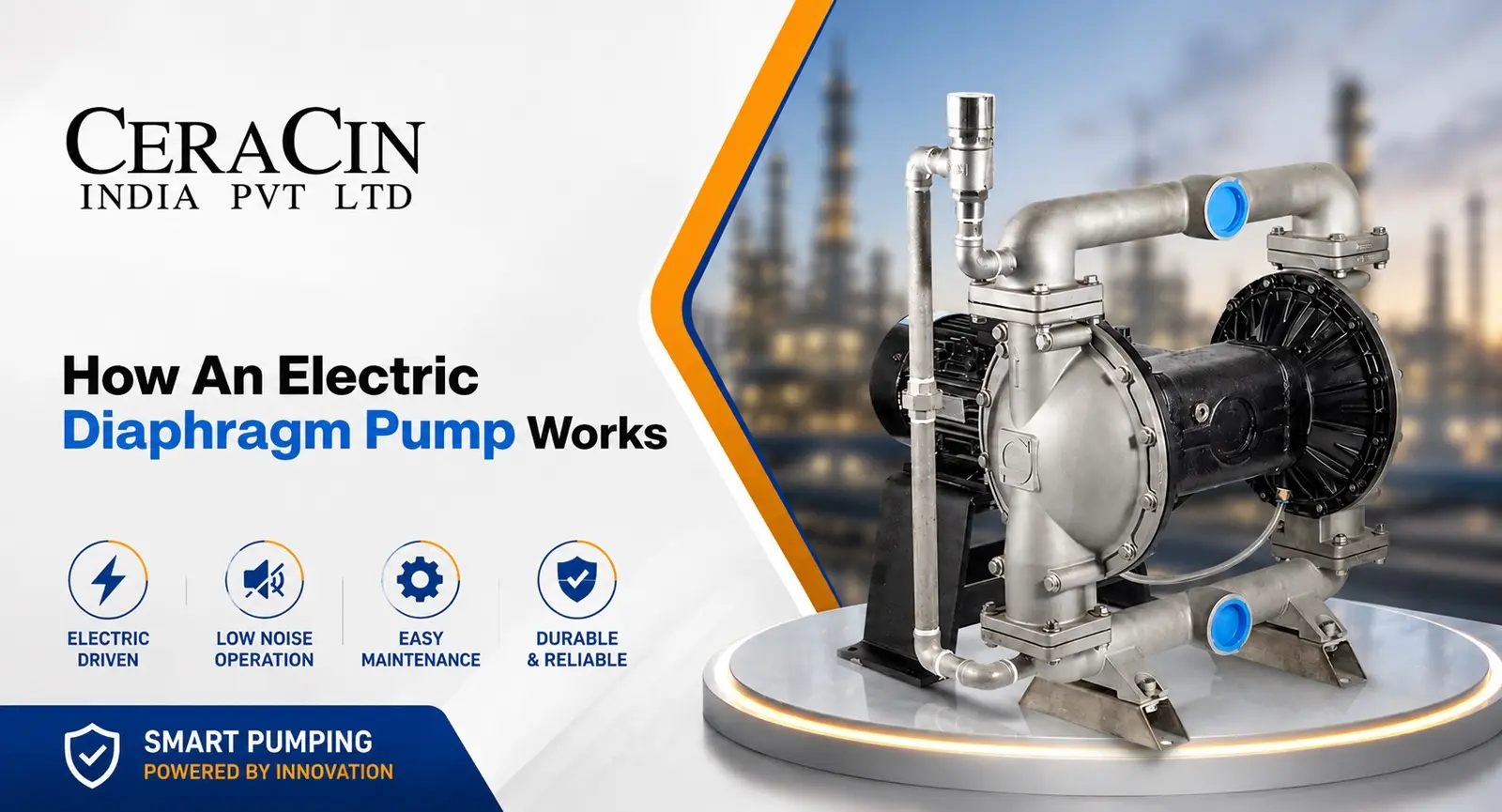
An electric diaphragm pump relies on an electric motor to drive the diaphragm, either through a mechanical linkage or a small hydraulic circuit, depending on the build. A few things follow from this design:
- Consistent flow rates, since motor speed can be regulated precisely.
- Better energy efficiency than compressed air systems, in most applications we come across.
- Quieter operation, without the hissing or compressor cycling typical of air-driven units.
- Simpler integration with automated systems, thanks to variable frequency drives.
Facilities running round-the-clock operations tend to prefer this option, as the steady power draw suits continuous use particularly well, in our experience.
How the Air-Driven Version Works
The air-powered alternative, known as a Pneumatic Diaphragm Pump, operates on compressed air, pushing the diaphragm back and forth between two chambers. Kindly note that this is an older technology, though certainly not an obsolete one. It brings its own set of advantages:
- A simpler build, with fewer electrical components that could fail.
- Natural resistance to overload, since the pump merely stalls rather than burning out if blocked.
- A safer fit for hazardous or wet environments, where electrical equipment poses a genuine risk.
- Reliable self-priming ability, useful when drawing fluid from tanks or sumps.
The trade-off, as you would agree, is energy consumption. Compressed air is not an inexpensive utility to generate, and this design uses considerably more of it per liter moved than its electric counterpart does.
Key Differences Between the Two
A straightforward comparison serves better here than a lengthy paragraph would:
- Power source. One runs on electricity, the other on compressed air supplied by a compressor.
- Energy efficiency. The electric version generally holds the advantage on this front.
- Noise level. Electric units run noticeably quieter in comparison.
- Hazardous zones. Air-powered units are often the safer choice where sparks pose a risk.
- Running cost. Compressed air is an expensive utility to produce, and this adds up considerably over the years.
None of this is meant to declare one option superior overall. As you would agree, the right choice depends entirely on what your specific process requires.
When to Choose an Electric Diaphragm Pump
There are certain situations in which an electric diaphragm pump is clearly the stronger fit:
- Continuous, high-volume transfer, where every unit of energy cost adds up considerably over a year.
- Sites without an existing compressed air line, since installing one solely to run a pump proves expensive.
- Processes requiring precise, programmable flow control.
- Areas where low noise genuinely matters, such as near offices or work stations.
We recommend this route often to clients running long shifts, as the energy savings tend to justify the switch within a reasonable payback period.
When the Pneumatic Option Makes More Sense
It would be incorrect to dismiss the air-driven design merely because electric motors have advanced considerably. It continues to hold a clear advantage in certain settings:
- Hazardous materials or explosive atmospheres are involved.
- The pump needs to run dry occasionally without sustaining damage.
- Compressed air is already available on site, reducing the need for new infrastructure.
- Operation is intermittent, which makes the higher per-litre energy cost less significant.
Matching the pump to the actual operating conditions, in our experience, matters far more than following a general preference for one technology over the other.
Making the Right Choice for Your Process
Neither option is universally superior. The right choice depends entirely on your process, your environment, and what the pump will cost you over its full working life, not merely what it costs to purchase. Many facilities compare purchase price alone and overlook the rest of the picture: energy use, maintenance requirements, and how well the pump suits the site’s existing utilities.
At Ceracin india pvt ltd, we assess flow requirements, hazard classification, existing infrastructure, and duty cycle before recommending a solution, rather than defaulting to one technology across every project we undertake.
Should your facility be evaluating pump options for an upcoming project, do get in touch with our team at Ceracin. Kindly reach us and we will be glad to help you arrive at the right fit, whether electric or air-driven, at the earliest.
FAQs
Is an electric diaphragm pump more expensive than a pneumatic one?
Can an electric diaphragm pump be used in hazardous areas?
Which option is easier to maintain?
Do these pumps handle viscous fluids equally well?
How do I decide which pump suits my process?

Ceracin
Ceracin has expertise in industrial pump manufacturing since 2016. We are committed to provide our nation with the highest quality pumps at competitive prices.