
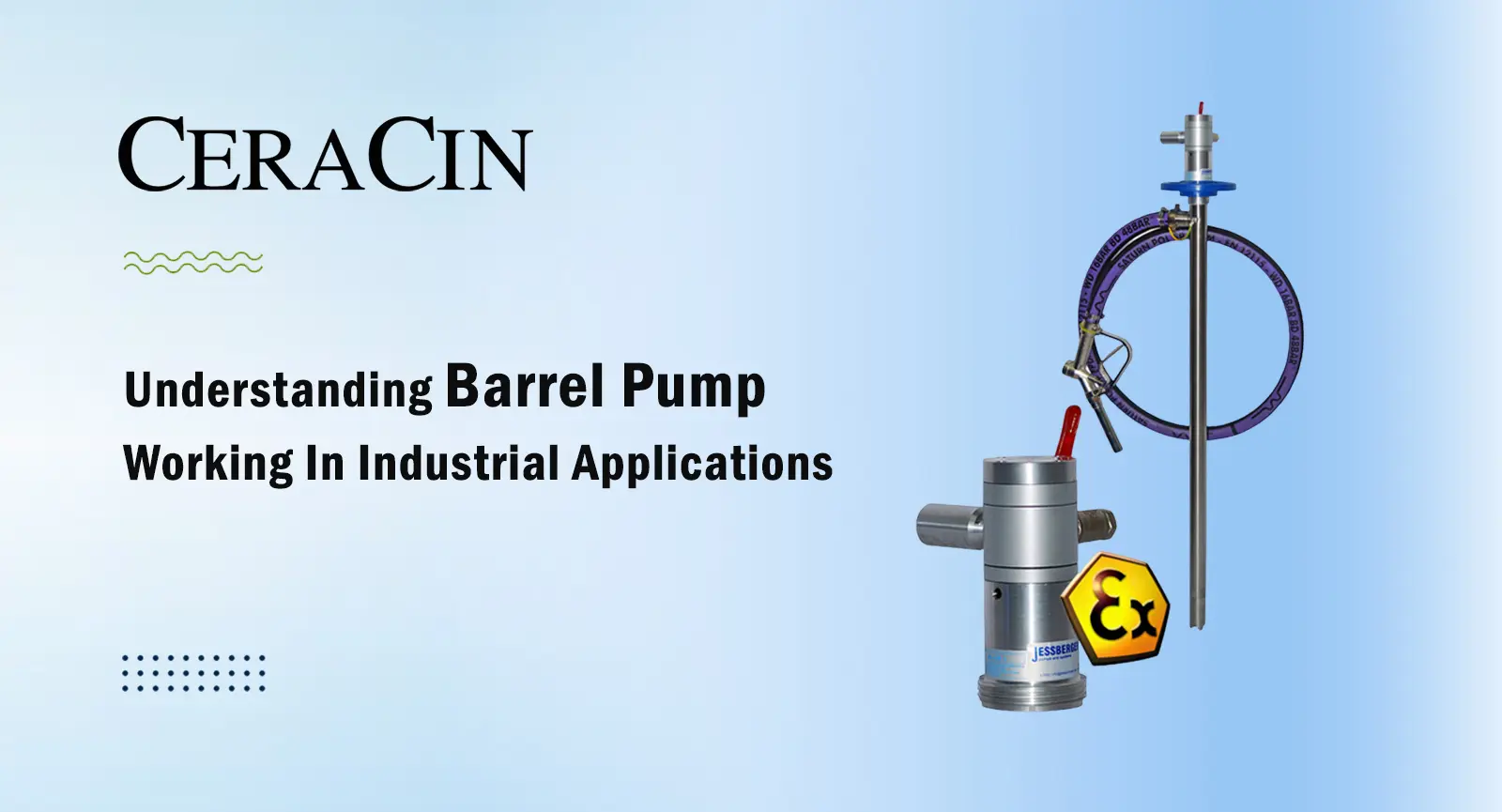
Understanding Barrel Pump Working in Industrial Applications
If you’ve worked around drums, you already know the problem is not storing the liquid, it’s taking it out. People try to tilt drums, use pipes, or manage somehow, and that’s where things get messy. It takes time, spills happen, and the whole area ends up dirty. It also puts extra effort on the person doing the work. It’s a small task, but it can slow down the whole work if not handled properly. That’s why a barrel pump helps. You just place it in the drum and start the flow. There is no need to lift the barrel for this. The liquid comes out in a controlled way, and the work gets done faster. Once you start using it, you don’t feel like going back to old methods. Understanding how it works just makes daily work easier and keeps things running without unnecessary trouble.
What a Barrel Pump Is Used For
- Used to take liquid out of drums
- Works with oil, chemicals, and other fluids
- Avoids lifting or tilting heavy drums
A Barrel Pump is not complicated. You just fix it into the drum and start pumping. That’s all. But in real work, this small step saves a lot of effort. You don’t have to struggle with heavy drums or worry about spilling liquid everywhere. Once you see a proper barrel pump working, you realise how much easier it makes the task.
How It Works in Daily Use
- The pump is placed inside the drum
- You move a handle or switch on a motor
- Liquid comes out through a pipe
The work is simple. The pump pulls the liquid up and pushes it out. Manual pumps need hand movement. Electric ones do the same thing faster. What matters is a steady flow. A good barrel pump working means the liquid comes out smoothly without stopping again and again.
Types of Barrel Pump
Manual pumps – simple, for small work
- You operate it by hand
- Good when you don’t use it much
- Cheap and easy to handle
- Mostly used in small setups
Electric pumps – for regular use
- Runs on a motor, no hand effort
- Much faster than manual
- Good when you have to use it daily
- Saves time and effort
Air pumps – used where safety matters
- Runs on air, not electricity
- Safer in chemical areas
- No risk of sparks
- Used in industries where safety is strict
How people usually choose
- If work is less → manual
- If work is daily → electric
- If the area is risky → air pump
- Also depends on what liquid you’re handling
Where These Pumps Are Used
- Chemical storage areas
- Oil and lubricant handling
- Cleaning work
- Food processing units
If there are drums, there is usually a Barrel Pump nearby. It’s common in both small and large setups. Proper barrel pump working helps keep the area clean and avoids waste.
Why It Matters in Real Work
- Less spillage
- Less effort
- Safer handling
- Faster work
If you don’t use the right pump, the work becomes slow and messy. Sometimes it even becomes risky. That’s why knowing barrel pump works is useful in daily work. It’s not just theory; it actually helps on the floor.
Conclusion
At the end, using a barrel pump just makes things easier on the floor. You don’t have to lift heavy drums or worry about spills again and again. Once you start using it properly, the work becomes quick and simple. A lot of time can be saved, and you can keep things organised with the help of this pump. At Ceracin, we focus on giving solutions that actually help in day-to-day work, so your team can work without extra effort or unnecessary trouble during regular operations.

Ceracin
Ceracin has expertise in industrial pump manufacturing since 2016. We are committed to provide our nation with the highest quality pumps at competitive prices.